
Multinational petroleum company Royal Dutch Shell, has just signed a new agreement with Brazilian company Cosan – promising $2bn of the petroleum giant’s cash to merge with $5bn worth of assets already in place.
This latest merger represents ‘the biggest move into biofuels of an international oil company‘ according to one of Shell’s Directors’ Mark Williams. It also marks another step towards further concentration in energy source with drastically reduced carbon emissions, as ethanol based biofuels of the kind typically made in Brazil often emit less than 40% of the carbon dioxide levels of other fuel sources.
What we can see with this latest venture, is true recognition that alternative fuel sources will be required and will also become considerable revenue streams within the next twenty years as many people try and turn away from traditional fuels with large carbon footprints.
Mark Williams stated this perspective directly by saying that: ‘We see joining Cosan as a way to grow the role of low-carbon, sustainable biofuels in the global transportation fuel mix. The joint venture would also enable Shell to set up a material and profitable bio-fuels business, with the potential to deploy next generation technologies.‘
The final details of the venture have not been fully approved, as there are still many regulatory and due diligence procedures to go through – however the announcements is a very real and vital step towards an energy economy that is looking towards a more carbon-neutral future.
Brazil has by far the most successful bio-fuel industry in the world, mostly through the use of sugar cane sourced ethanol fuel. The government has long promoted the use of such technology through economic stimulus packages and tax incentives that have led to the industry booming and becoming a world leader.
Despite the many positive aspects of such an initiative; there are counter-arguments to be taken into consideration such as the need for massive amounts of agricultural land and water resources to produce large enough crops. There are also those who point out that many automobiles use ethanol/gasoline mixes which can somewhat undermine the very impressive carbon reduction figures that are quoted.
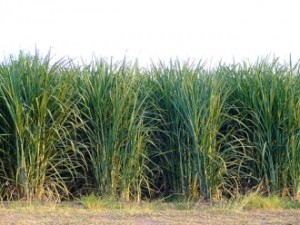
Brazilian ethanol fuel comes almost exclusively from sugar cane crops
Regardless of these, I think it is a very encouraging sign to see one of the world’s larget petroleum companies putting such a large investment into non-petroleum based fuel sources. Without moves from companies such as Shell, wide-scale alternative fuel usage becomes almost an impossibility as we require them to provide an infrastructure through which to make mainstream usage viable.
What do you think about this latest move from Shell? Is it a glimmer of hope in the fight against climate change? Or maybe a cynical cash-grab by a multinational juggernaut? Is ethanol fuel the way forwards?